What is the Difference Between Yoga and Pilates? Discover Which One is Right for You!
What is the difference between yoga and pilates? When considering whether to practice yoga or Pilates, it’s essential to understand the distinct benefits each discipline offers and how they can enhance your overall well-being. Both yoga and Pilates are celebrated for their comprehensive approach to physical fitness, mental clarity, and improved flexibility, yet they cater to different needs and preferences.
Yoga is rooted in ancient spiritual traditions, offering a holistic workout that not only strengthens the body but also calms the mind. With its emphasis on mindfulness through breath control (pranayama) and meditation techniques, yoga helps practitioners achieve a state of mental serenity while improving flexibility and balance. This practice can be particularly beneficial for reducing stress levels, enhancing mental focus, and boosting emotional resilience.
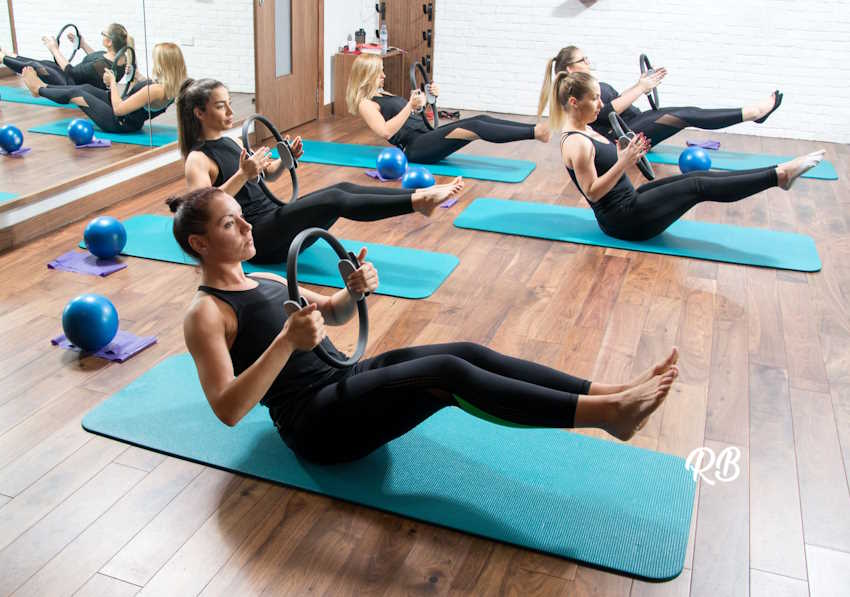
On the other hand, Pilates focuses more on core strength development and alignment of the spine. Created by Joseph Pilates in the early 20th century as a method of rehabilitation and physical improvement, this discipline emphasizes controlled movements that enhance muscular strength without adding bulk. It is particularly effective for individuals looking to improve posture, prevent injuries by stabilizing joints through stronger core muscles, or recover from existing musculoskeletal issues.
By comparing these two practices side-by-side—yoga’s meditative flow designed for overall harmony versus Pilates’ precision-based techniques targeting core stability—you’ll discover that each has unique advantages tailored to different goals. Whether you seek mental tranquility through yoga or aspire to build a robust framework with Pilates’ focused exercises, integrating either or both into your routine can yield transformative results on multiple levels—both physically and mentally.
Contents
- What is the Difference Between Yoga and Pilates? Discover Which One is Right for You!
- Understanding the Basics of Yoga and Pilates
- The Origins: How Yoga and Pilates Began
- Core Philosophies: Mindfulness in Yoga vs. Core Strength in Pilates
- Main Components: What to Expect from a Typical Yoga or Pilates Class
- The Benefits Compared: Physical and Mental Health Advantages
- Aesthetic Goals: Toning with Pilates vs. Flexibility with Yoga
- The Verdict: Choosing Between Yoga and Pilates Based on Your Personal Goals and Preferences
- Conclusion: Embrace Either Practice to Enhance Your Well-being Today!
What is the Difference Between Yoga and Pilates? Discover Which One is Right for You!
If you want to learn what is the difference between yoga and Pilates, you’re in the right place. Both practices offer incredible benefits, yet they cater to different needs and preferences. Understanding these differences can help you decide which one aligns better with your fitness goals.
Yoga is an ancient practice that focuses on uniting the mind, body, and spirit through breath control, meditation, and a series of postures. It offers a holistic approach to wellness by promoting flexibility, reducing stress, and improving mental clarity. Yoga encourages mindfulness and self-awareness, making it ideal for those seeking a deeper connection with themselves.
On the other hand, Pilates was developed in the early 20th century by Joseph Pilates as a method to rehabilitate injured soldiers and dancers. This practice emphasizes core strength, stability, and alignment through controlled movements. If you’re looking to improve your posture or build muscular endurance without adding bulk, Pilates might be your go-to choice.
So when it comes to choosing between yoga vs Pilates—or even incorporating both into your routine—consider what you hope to achieve from your workouts. Whether it’s finding inner peace or building physical strength, each discipline offers unique advantages that can complement different aspects of your lifestyle.
Understanding the Basics of Yoga and Pilates
Embarking on a journey to better fitness and well-being often leads individuals to explore the realms of yoga and Pilates. While both practices offer profound benefits, understanding their differences can help you make an informed choice that aligns with your personal goals.
At its core, yoga is an ancient practice that combines physical postures, breath control, meditation, and ethical principles. It aims to harmonize the mind, body, and spirit through a series of asanas (poses) that enhance flexibility, strength, and mental clarity. Yoga basics focus on balance and mindfulness—qualities that extend beyond the mat into everyday life.
Pilates, on the other hand, was developed in the early 20th century by Joseph Pilates. It emphasizes core strength as a foundation for overall stability and health. The basics of Pilates involve controlled movements designed to improve posture, muscle tone, and flexibility without adding bulk. This practice is particularly beneficial for those recovering from injury or seeking low-impact exercise options.
When comparing yoga vs Pilates in terms of fitness practices: yoga offers a holistic approach with spiritual undertones while Pilates provides targeted physical conditioning with an emphasis on precision. Both are exceptional choices for enhancing your fitness journey; however, your preference may depend on whether you seek spiritual enrichment or focused physical rehabilitation.
In conclusion, exploring both disciplines can provide unique insights into your body’s capabilities while promoting overall wellness. Whether you choose yoga’s meditative flow or Pilates’ structured regimen—or perhaps a blend of both—you’re taking meaningful steps toward achieving balance in life’s fast-paced rhythm.
The Origins: How Yoga and Pilates Began
Understanding the origins of yoga and Pilates not only enriches our practice but also deepens our appreciation for these transformative disciplines. The history of yoga stretches back over 5,000 years to ancient India, where it emerged as a spiritual and ascetic discipline. Initially developed as a path to enlightenment, yoga has evolved into various forms that emphasize physical postures, breath control, and meditation. Its rich history is steeped in philosophical teachings found in ancient texts like the Vedas and Upanishads.
On the other hand, Pilates is a more recent development with its roots in the early 20th century. Created by Joseph Pilates during World War I, this method was initially designed to aid in rehabilitation. Drawing inspiration from yoga, martial arts, and Western forms of exercise like calisthenics and gymnastics, Pilates focuses on core strength, flexibility, and overall body awareness. Joseph Pilates’ innovative approach laid the foundation for what has become a globally embraced fitness regimen.
Both practices offer unique benefits yet share common goals: enhancing physical health while promoting mental clarity. By exploring their origins—the ancient spiritual journeys of yoga and the rehabilitative beginnings of Pilates—we gain insight into how these practices have adapted over time to meet modern needs while maintaining their core principles intact. This historical perspective not only convinces us of their enduring value but also inspires us to incorporate them into our daily lives for holistic well-being.
Core Philosophies: Mindfulness in Yoga vs. Core Strength in Pilates
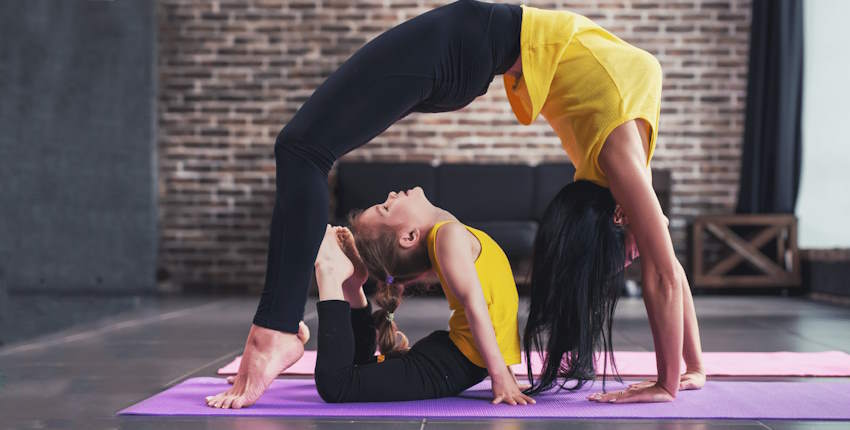
Yoga philosophy is deeply rooted in mindfulness, focusing on the union of mind, body, and spirit. It encourages practitioners to be present in the moment through mindful exercise, incorporating breath work and meditation alongside physical postures. This holistic approach not only enhances flexibility and balance but also fosters a sense of inner peace and mental clarity.
On the other hand, Pilates philosophy centers around building core strength. Developed with a focus on precision and control, Pilates exercises are designed to improve posture, enhance muscle tone, and create a strong foundation for overall fitness. The emphasis on core workout means that every movement is meticulously controlled to maximize strength without bulk.
So what is the difference between yoga and Pilates? While both disciplines offer substantial health benefits, yoga invites you into a mindful journey that harmonizes your entire being, whereas Pilates provides an intensive focus on strengthening your body’s powerhouse—the core. By understanding these philosophies—mindfulness in yoga versus core strength in Pilates—you can select the practice that aligns best with your personal goals for wellness and fitness.
Main Components: What to Expect from a Typical Yoga or Pilates Class

In a typical yoga class, you can expect a series of poses designed to enhance flexibility, balance, and mindfulness. These yoga poses are often held for several breaths to deepen the stretch and connect with your inner self. The class structure usually begins with a warm-up, followed by a sequence of standing and seated postures, culminating in relaxation or meditation.
On the other hand, Pilates exercises emphasize core strength and control. A Pilates class often starts with a gentle warm-up focusing on breath awareness before moving into more dynamic movements that target specific muscle groups. The exercises are performed in sets with precise repetitions to build endurance without adding bulk.
The difference between yoga and Pilates lies not only in their physical components but also in their underlying philosophies. Yoga integrates spiritual elements alongside physical practice, while Pilates is rooted in rehabilitation principles aimed at enhancing physical performance.
Whether you’re drawn to the meditative aspects of yoga or the core-focused routines of Pilates, both offer unique benefits that cater to different needs. By understanding what each class entails—yoga’s flowing sequences versus Pilates’ structured exercises—you can make an informed choice that aligns with your personal wellness journey.
The Benefits Compared: Physical and Mental Health Advantages
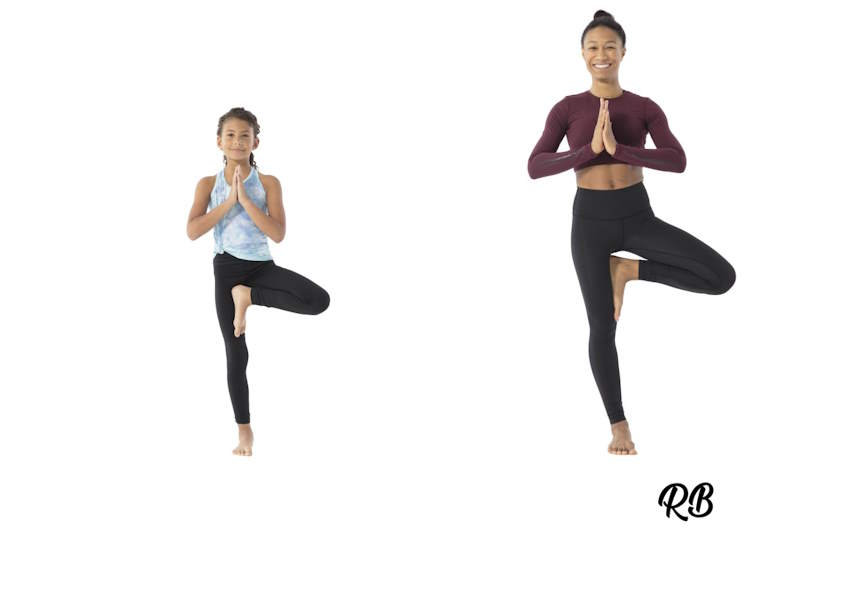
When it comes to enhancing both physical and mental well-being, yoga and pilates stand out as two of the most effective practices. Each offers unique advantages that can transform your health journey. Comparing the benefits of yoga and pilates helps you choose the practice that best suits your needs.
Yoga, with its ancient roots, is renowned for its holistic approach to health. Yoga benefits include improved flexibility, enhanced balance, and increased strength. It’s not just about physical prowess; yoga also fosters mental tranquility through mindfulness and meditation techniques, reducing stress levels significantly.
On the other hand, pilates focuses on core strength and stability. Pilates benefits are evident in better posture, muscle toning, and injury prevention. This practice emphasizes controlled movements that enhance body awareness while providing a robust workout for the entire body.
Both practices offer significant physical advantages but excel in different areas of mental health improvement. Yoga’s meditative aspects make it an excellent choice for those seeking stress relief and emotional balance. Meanwhile, pilates’ concentration on precision can lead to heightened focus and mental clarity.
Ultimately, whether you choose yoga or pilates depends on your personal goals. Embrace either—or both—and enjoy a healthier body and mind as you integrate these beneficial practices into your lifestyle.
Aesthetic Goals: Toning with Pilates vs. Flexibility with Yoga

Pilates is renowned for its focus on body toning exercises. It emphasizes strengthening core muscles, improving posture, and enhancing overall muscle tone. If your aesthetic goals include sculpting a lean physique and building strength without bulk, Pilates might be your ideal match. Its precise movements target specific muscle groups, providing a comprehensive workout that promotes endurance and balance.
On the other hand, yoga shines as a champion of flexibility training. While it also contributes to muscle toning, its primary allure lies in increasing flexibility and promoting relaxation through mindful movement and deep stretching. Yoga not only enhances physical pliability but also fosters mental clarity and stress reduction—key components for holistic well-being.
Understanding these differences between yoga vs Pilates can help you tailor your fitness routine to align with your personal aesthetic aspirations. Whether you’re drawn to the dynamic toning of Pilates or the graceful flexibility offered by yoga, both paths offer enriching journeys towards achieving a balanced body and mind.
The Verdict: Choosing Between Yoga and Pilates Based on Your Personal Goals and Preferences
For choosing between yoga and Pilates, understanding your personal fitness goals and preferences is crucial. Both practices offer unique benefits, but the right choice ultimately depends on what you hope to achieve.
Yoga is ideal for those seeking a holistic approach to fitness that nurtures the mind, body, and spirit. With its rich variety of styles—from the gentle stretches of Hatha to the vigorous flow of Vinyasa—yoga can enhance flexibility, reduce stress, and improve mental clarity. If your goal is to cultivate mindfulness while building strength and balance, yoga might be your perfect match.
On the other hand, Pilates focuses on core strength and stability. It’s an excellent choice if you’re looking to improve posture, enhance muscle tone, or rehabilitate from an injury. The precise movements in Pilates target specific muscle groups with a focus on alignment and control. If your personal fitness goals align with developing a strong core foundation and improving overall body awareness, Pilates could be more suited for you.
Ultimately, when faced with the yoga vs Pilates decision, consider what aligns best with your lifestyle and aspirations. Whether it’s finding tranquility through yoga or achieving core strength with Pilates—or even combining both—you have the power to tailor your fitness journey according to what resonates most deeply with you.
Conclusion: Embrace Either Practice to Enhance Your Well-being Today!
In the quest for improved well-being, the choice between yoga and pilates often arises. Both practices offer unique benefits and cater to different needs, yet they share a common goal: enhancing your physical and mental health. Understanding the difference between yoga and pilates can help you decide which is better suited for your lifestyle.
Yoga is an ancient practice that focuses on flexibility, balance, and mindfulness through various poses and breathing techniques. It promotes relaxation, reduces stress, and improves overall mental clarity. On the other hand, Pilates emphasizes core strength, stability, and controlled movements to build a strong foundation for physical fitness.
When considering yoga vs pilates, it’s important to assess what you hope to achieve from your exercise routine. If you’re looking for a holistic approach that integrates mind-body awareness with flexibility training, yoga might be your path. Conversely, if you aim to enhance core strength while refining posture and alignment, pilates could be more beneficial.
Ultimately, whether you choose yoga or pilates—or even both—embracing either practice can lead to significant improvements in your well-being. By incorporating these disciplines into your life today, you’ll be taking proactive steps toward a healthier body and a more balanced mind. So why wait? Start exploring these transformative practices now!