Traditional Balinese Dance | Top 10 Types of Dances in Bali
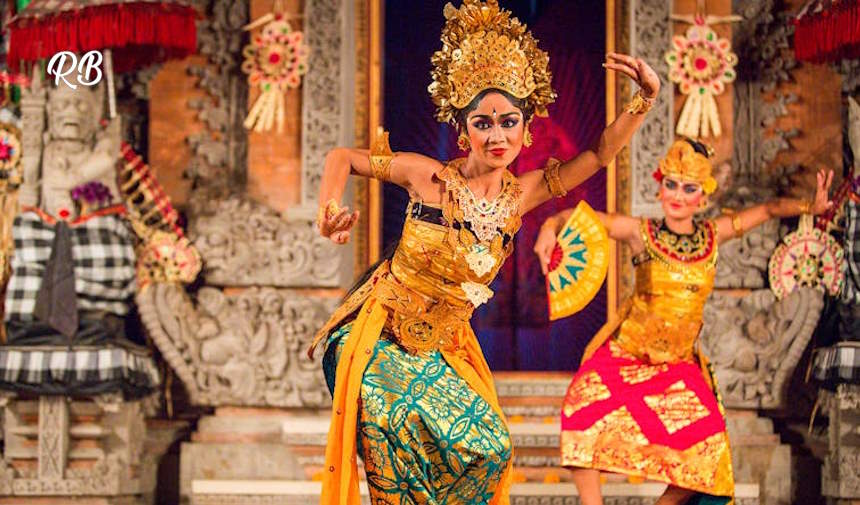
Discover the captivating world of Traditional Balinese dance history. Bali, the enchanting island in Indonesia, is renowned for its vibrant and captivating dance traditions. The island is home to a diverse array of dance forms, each with its own unique cultural significance and mesmerizing performances. When visiting Bali, tourists can immerse themselves in the rich types of Balinese dance by attending one of the many Bali dance shows hosted throughout the island.
These dance performances showcase the intricate movements, vibrant costumes, and captivating narratives that define the artistic expression of the Balinese people. From the graceful and intricate Legong dance, which depicts the story of a princess, to the dynamic and energetic Barong dance, which portrays the eternal battle between good and evil, the variety of Balinese dance forms offers something for every visitor. One of the best places to experience these mesmerizing dances is at the numerous Balinese dance theaters and cultural centers scattered across the island.
These venues, often located in the heart of Bali’s cultural hubs, provide visitors with the opportunity to witness the seamless integration of music, movement, and storytelling that characterize the island’s dance heritage. By attending a traditional Balinese dance show, tourists can gain a deeper understanding and appreciation for the rich cultural traditions that have been passed down through generations, leaving a lasting impression on all who witness the captivating performances.
Contents
- Traditional Balinese Dance | Top 10 Types of Dances in Bali
- Balinese Dance History: The Rich Cultural Heritage of Balinese Dance
- Legong: The Graceful and Intricate Dance of Balinese Royalty
- The Dynamic and Dramatic Kecak Dance: A Unique Balinese Ritual Performance
- Barong: The Mythical Balinese Lion Dance that Wards Off Evil Spirits
- Tari Pendet: The Graceful Welcoming Dance of Bali
- Baris: The Warrior-Inspired Dance Showcasing Balinese Masculinity
- Sanghyang: The Trance-Inducing Ritual Dances of Bali
- Dances in Bali: Types Of Balinese Dance
Traditional Balinese Dance | Top 10 Types of Dances in Bali
Bali’s rich cultural heritage is showcased through its captivating traditional dances, each with its own unique history and significance. As you immerse yourself in the vibrant island, prepare to be mesmerized by the grace and elegance of these timeless performances.
Discover the ten most prominent traditional Balinese dances that have stood the test of time, each offering a glimpse into the island’s deep-rooted traditions and spiritual beliefs. From the iconic Legong dance, with its intricate choreography and mesmerizing facial expressions, to the powerful Barong dance, which depicts the eternal battle between good and evil, Bali’s dance repertoire is a true feast for the senses.
Immerse yourself in the rhythmic movements of the Kecak dance, where a chorus of men chant and sway in sync, or be captivated by the graceful Pendet dance, performed to welcome and honor distinguished guests. Witness the dynamic Baris dance, a martial-inspired performance that showcases the strength and agility of Balinese men, and the enchanting Legong Keraton, a royal dance that transports you to the grandeur of ancient Balinese kingdoms.
As you explore Bali’s vibrant cultural landscape, make sure to experience the captivating traditional dances that have been passed down through generations. Prepare to be enchanted by the beauty, the storytelling, and the deep spiritual connections that these dances embody. Here is a list of the main types of Balinese dance:
1. Legong
2. Barong
3. Kecak
4. Pendet
5. Topeng
6. Baris
7. Sanghyang
8. Gambuh
9. Joged
10. Legong Keraton
Balinese Dance History: The Rich Cultural Heritage of Balinese Dance

Bali, the enchanting island in Indonesia, is renowned for its vibrant and captivating performing arts, with Balinese dance being a true gem of its cultural heritage. Deeply rooted in Hindu-Buddhist traditions, the history of Balinese dance is a testament to the island’s rich spiritual and artistic legacy.
Tracing its origins back to ancient times, types of Balinese dance has evolved over the centuries, reflecting the island’s unique blend of influences from Java, India, and other Southeast Asian cultures. Each dance form, from the graceful Legong to the powerful Barong, tells a story, conveying the island’s mythological narratives, spiritual beliefs, and social customs.
The cultural significance of Balinese dance cannot be overstated. It serves as a means of preserving and passing down the island’s traditions, connecting the present with the past. Through the mesmerizing movements, intricate costumes, and captivating music, Balinese dance transports audiences to a world of enchantment, inviting them to immerse themselves in the rich tapestry of Balinese culture.
Legong: The Graceful and Intricate Dance of Balinese Royalty

Immerse yourself in the captivating world of Legong, a mesmerizing dance form that has long been revered as a symbol of Balinese royal heritage. This Bali dance show performance, steeped in centuries of tradition, showcases the unparalleled artistry and cultural richness of the island’s artistic legacy.
At the heart of Legong lies a captivating narrative, weaving together mythological tales and the intricate movements of the dancers. With their ornate costumes, intricate headdresses, and precise, fluid gestures, the Legong performers captivate audiences, transporting them to a realm of enchantment and refined elegance.
The Legong Kraton, or the “Legong of the Palace,” is perhaps the most celebrated iteration of this dance form, performed exclusively for the royal courts of Bali. These performances are a testament to the enduring cultural significance of Legong, a living art form that continues to inspire and captivate both local and international audiences.
As you witness the Legong dancers in action, you’ll be struck by the sheer precision and grace of their movements, the seamless integration of music and dance, and the profound connection to Bali’s rich cultural heritage. This is a performance that demands your attention, inviting you to immerse yourself in the timeless beauty and grandeur of one of the world’s most captivating dance traditions.
The Dynamic and Dramatic Kecak Dance: A Unique Balinese Ritual Performance
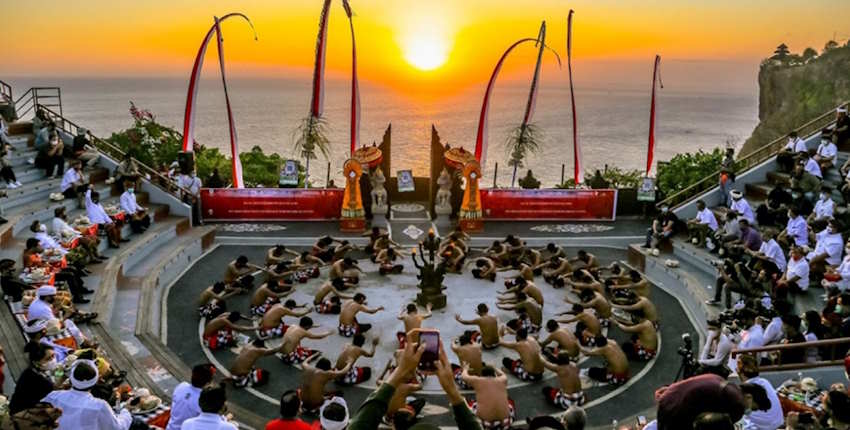
The Kecak dance is a mesmerizing and unique Balinese ritual performance that captivates audiences worldwide. Originating from the island of Bali, this dynamic and dramatic Balinese dance is a must-see for anyone exploring the rich cultural heritage of Indonesia.
At the heart of the Kecak dance is the powerful chanting of “cak cak cak” by a large ensemble of male performers, creating a hypnotic and rhythmic soundscape. These skilled dancers, dressed in colorful costumes, depict the epic tale of the Ramayana, weaving a captivating narrative through their intricate movements and expressions.
The Kecak dance is more than just a performance – it is a deeply spiritual and communal experience, rooted in the traditions and beliefs of the Balinese people. The dancers’ synchronized chanting and movements are believed to invoke the presence of the gods, making this ritual a truly awe-inspiring spectacle.
Whether you’re a fan of traditional dance, a lover of cultural experiences, or simply seeking a unique and mesmerizing performance, the Kecak dance is a must-see attraction in Bali. Immerse yourself in the dynamic and dramatic world of this iconic Balinese ritual and witness the magic of this timeless art form.
Barong: The Mythical Balinese Lion Dance that Wards Off Evil Spirits

The Barong dance is a captivating and deeply symbolic Balinese dance ritual that has been mesmerizing audiences for centuries. As a mythical lion-like creature, the Barong is believed to be a benevolent spirit that wards off evil and protects the community from harm.
At the heart of the Barong dance is the eternal battle between good and evil, represented by the Barong and its nemesis, the Rangda. This dramatic interplay is not merely a performance, but a profound spiritual expression that is deeply rooted in Balinese Hindu-Buddhist beliefs.
The intricate Barong costumes, with their ornate headdresses and vibrant colors, are more than just elaborate attire – they are imbued with sacred symbolism that reflects the creature’s divine power. The Barong’s movements, which blend grace and ferocity, are a mesmerizing display of the balance between light and dark, order and chaos.
Witnessing a Barong dance is a truly immersive experience, one that transports the viewer to a realm where the supernatural and the earthly converge. As the Barong dances, it is believed to cleanse the surrounding area of negative energies, ensuring the well-being and prosperity of the community. This powerful ritual serves as a reminder of the enduring cultural heritage of Bali and the enduring significance of the Barong in the island’s rich tapestry of beliefs and traditions.
Tari Pendet: The Graceful Welcoming Dance of Bali

The Tari Pendet, a captivating Balinese welcoming dance, is a must-see for anyone visiting the enchanting island of Bali. This graceful performance embodies the warm hospitality and rich cultural heritage that Bali is renowned for.
At the heart of the Pendet dance lies a profound significance, serving as a ceremonial greeting to honored guests. The delicate movements, accompanied by the mesmerizing rhythms of gamelan music, create a spellbinding experience that transports viewers to the very essence of Balinese spirituality.
From the intricate hand gestures to the vibrant costumes adorned with intricate gold and silver embroidery, every element of the Pendet dance exudes a sense of reverence and devotion. As the dancers sway and twirl, they invoke the blessings of the gods, welcoming visitors to partake in the island’s sacred traditions.
Witnessing the Tari Pendet is a privilege that allows you to immerse yourself in the timeless traditions of Bali. It is a captivating display of the island’s cultural richness, a testament to the enduring spirit of its people, and a must-experience for any traveler seeking to truly understand the heart and soul of this enchanting destination.
Baris: The Warrior-Inspired Dance Showcasing Balinese Masculinity
The Baris dance is a captivating display of Balinese masculinity and warrior prowess. Originating from the island of Bali, this traditional dance form showcases the strength, agility, and discipline of its performers.
At the heart of the Baris dance lies the embodiment of the Balinese warrior spirit. The dancers, adorned in intricate costumes and wielding traditional weapons, move with a sense of power and precision that commands attention. Each step, each turn, and each gesture is a testament to the rigorous training and dedication required to master this art form.
Beyond its physical grandeur, the Baris dance holds deep cultural significance. It is a celebration of the Balinese warrior heritage, a living testament to the island’s rich history and the resilience of its people. The dance’s movements, which mimic the actions of a skilled warrior, serve as a reminder of the importance of strength, courage, and discipline in Balinese society.
As audiences witness the Baris dance, they are transported to a world of ancient traditions and timeless values. The performance captivates and inspires, leaving a lasting impression on all who behold the power and grace of this unique Balinese art form.
Sanghyang: The Trance-Inducing Ritual Dances of Bali
The captivating Sanghyang ritual dances of Bali are a testament to the island’s deep-rooted spiritual traditions. These trance-inducing performances transport participants and spectators alike into a realm of mysticism and divine connection.
At the heart of the Sanghyang tradition are two primary dances – the Sanghyang Jaran, where dancers appear to ride invisible horses, and the Sanghyang Dedari, which features young girls who seem to levitate. These rituals are believed to invoke the presence of protective deities, allowing the dancers to enter a state of spiritual possession.
The Sanghyang dances hold immense significance in Balinese culture, serving as a means to maintain balance, ward off evil spirits, and ensure the prosperity of the community. Spectators are often left in awe, witnessing the dancers’ unwavering focus and the palpable energy that permeates the performance space.
Preserving this ancient tradition is crucial, as it not only reflects the island’s rich heritage but also provides a window into the profound spiritual beliefs that continue to shape the lives of the Balinese people. Experiencing a Sanghyang ritual dance is a truly mesmerizing and transformative encounter, one that leaves a lasting impression on all who witness its captivating power.
Dances in Bali: Types Of Balinese Dance

Bali is renowned for its rich cultural heritage, and the island’s vibrant dance traditions are a testament to this. From the captivating Legong dance to the powerful Barong performance, Balinese dance forms offer a mesmerizing glimpse into the island’s spiritual and artistic essence. In this comprehensive list, we explore the diverse array of Balinese dance types that have enchanted audiences for generations.
1. Legong Dance: A graceful and intricate dance performed by young female dancers, the Legong is known for its delicate hand movements and expressive facial expressions.
2. Barong Dance: This mythical dance features the Barong, a lion-like creature believed to be a benevolent spirit, engaged in a battle with the evil Rangda.
3. Kecak Dance: Also known as the “Monkey Dance,” the Kecak is a mesmerizing performance that combines chanting, dance, and dramatic storytelling.
4. Pendet Dance: A welcoming dance performed to honor the gods and greet guests, the Pendet is characterized by graceful hand movements and a serene, meditative quality.
5. Sanghyang Dance: This trance-like dance is believed to invoke the presence of the gods and is often performed during important religious ceremonies.
6. Baris Dance: A warrior-like dance that showcases the strength and agility of male dancers, the Baris is known for its dynamic movements and powerful energy.
7. Joged Bumbung Dance: A lively and flirtatious dance that involves a female dancer interacting with male audience members, the Joged Bumbung is a celebration of Balinese social and cultural traditions.
These are just a few examples of the rich tapestry of Balinese dance forms. Each dance holds a unique cultural significance and offers a captivating window into the island’s vibrant artistic heritage.
What is the Balinese dance called?
The Balinese dance is a captivating and culturally rich art form that has been an integral part of the island’s heritage for centuries. Known as the “Island of the Gods,” Bali is renowned for its vibrant and diverse performing arts, and the Balinese dance is undoubtedly one of its most iconic and mesmerizing traditions.
The types of Balinese dance is a highly stylized and intricate form of expression that combines elements of drama, music, and spiritual symbolism. Characterized by graceful hand movements, intricate footwork, and expressive facial expressions, the dance is a true feast for the senses, transporting the viewer to a realm of enchantment and cultural significance.
Whether you’re a seasoned traveler or a curious cultural enthusiast, experiencing the Balinese dance is a must-do activity during your visit to this enchanting island. From the captivating Legong dance to the powerful and dramatic Barong dance, each performance offers a unique glimpse into the rich tapestry of Balinese culture and tradition.
What makes Balinese dance unique?
Balinese dance is a captivating and unique art form that has enchanted audiences around the world. Rooted in the rich cultural heritage of the island, these mesmerizing performances are a testament to the ingenuity and creativity of the Balinese people.
At the heart of Balinese dance lies a deep connection to the spiritual realm. Each intricate movement, from the graceful hand gestures to the precise footwork, is imbued with symbolic meaning, often representing the interplay between the divine and the earthly. This spiritual dimension sets Balinese dance apart, inviting the audience to engage not just with the physical performance, but also with the deeper, mystical elements that underpin it.
Furthermore, the unique costumes and elaborate masks worn by the dancers add an extra layer of visual splendor to the performances. These intricate accessories are not merely decorative; they serve to transform the dancers into divine beings, further reinforcing the sacred nature of the art form.
Ultimately, what makes Balinese dance truly unique is its ability to seamlessly blend the physical, the spiritual, and the artistic, creating a captivating experience that is unparalleled in the world of dance. Whether you are a seasoned enthusiast or a newcomer to this enchanting art form, a Balinese dance performance is sure to leave a lasting impression on your soul.
What is the most popular Balinese dance?
When it comes to the vibrant cultural heritage of Bali, the Legong dance stands out as one of the island’s most beloved and iconic performing arts. This mesmerizing dance form has captivated audiences for generations, showcasing the island’s rich artistic traditions and commanding a prominent place in the hearts of both locals and visitors alike.
The Legong dance is characterized by its intricate choreography, graceful movements, and ornate costumes that transport viewers to a realm of enchantment. Performed by young female dancers, the Legong is renowned for its delicate hand gestures, precise footwork, and expressive facial expressions that convey a range of emotions and narratives.
At the heart of the Legong’s allure lies its deep-rooted connection to Balinese mythology and spirituality. The dance often depicts scenes from ancient Hindu epics, weaving together elements of storytelling, ritual, and artistic expression. This unique blend of the sacred and the theatrical has solidified the Legong’s status as a cultural treasure, cherished by the Balinese people and celebrated around the world.
Whether you’re a seasoned traveler or a cultural enthusiast, experiencing a live Legong performance is a must-do on any Bali itinerary. The mesmerizing display of artistry, grace, and tradition will leave a lasting impression, offering a glimpse into the vibrant and captivating soul of this enchanting island.
What is the sacred dance in Bali Indonesia?
Bali, the enchanting island in the heart of Indonesia, is renowned for its rich cultural heritage and spiritual practices. At the center of this vibrant tapestry lies the sacred dance, a mesmerizing performance that transports visitors into the realm of the divine.
The sacred dance of Bali, often referred to as the “Legong,” is a captivating display of grace, elegance, and deep spiritual significance. Performed by young female dancers adorned in intricate costumes and elaborate headdresses, the Legong tells the stories of the gods, goddesses, and mythical creatures that are deeply woven into the fabric of Balinese culture.
As the dancers move with fluid precision, their every gesture and expression conveys a deeper meaning, inviting the audience to connect with the sacred narratives unfolding before them. The rhythmic beats of the gamelan orchestra, the hypnotic chants, and the flickering of the oil lamps create an atmosphere of profound reverence, transporting the viewer to a realm where the physical and the spiritual coexist in perfect harmony.
The sacred dance of Bali is not merely a performance; it is a ritual, a celebration of the divine, and a testament to the enduring power of Balinese spirituality. To witness this enchanting spectacle is to gain a deeper understanding of the island’s rich cultural heritage and the profound reverence for the sacred that permeates every aspect of Balinese life.
What is the Balinese dance festival about?
Immerse yourself in the captivating world of Balinese dance at the annual Balinese Dance Festival. This vibrant celebration showcases the rich cultural heritage and artistic traditions of the island of Bali, captivating audiences with its mesmerizing performances.
At the heart of the festival lies the intricate and expressive Balinese dance form, a unique blend of spiritual elements, intricate choreography, and stunning costumes. From the graceful movements of the Legong dance to the powerful and dramatic Barong dance, each performance tells a story that transports you to the enchanting realm of Balinese mythology and spirituality.
Beyond the stage, the festival offers a immersive cultural experience, allowing visitors to witness the making of traditional Balinese costumes, learn about the significance of Hindu-Buddhist influences in the dances, and even participate in interactive workshops. It’s an opportunity to dive deep into the soul of Balinese culture and come away with a newfound appreciation for the island’s artistic legacy.
Whether you’re a seasoned dance enthusiast or simply seeking a unique cultural adventure, the Balinese Dance Festival promises to leave a lasting impression. Prepare to be captivated by the vibrant colors, mesmerizing movements, and the rich tapestry of Balinese heritage that unfolds before your eyes.
What is the name of the dance in Bali?
The traditional dance form of Bali is known as the Legong. This captivating and graceful dance has been an integral part of Balinese culture for centuries, enchanting audiences with its intricate movements and mesmerizing rhythms.
The Legong dance is characterized by its delicate hand gestures, intricate footwork, and expressive facial expressions. Performed by young female dancers, the Legong tells stories from Balinese mythology and folklore, transporting viewers to a realm of enchantment and wonder.
Rooted in the island’s rich cultural heritage, the Legong dance is not merely a performance, but a living, breathing embodiment of Balinese spirituality and tradition. Each movement, each gesture, and each nuance of the dance holds deep symbolic meaning, reflecting the island’s deep connection to the divine and the natural world.
Whether you’re a lover of dance or a curious traveler, experiencing the Legong dance in Bali is a must-do. It is a testament to the enduring power of Balinese culture and a true highlight of any visit to this enchanting island.
What is the religion of Balinese dance?
Balinese dance is deeply rooted in the spiritual beliefs and Hindu-Buddhist traditions of the island of Bali. The intricate movements, vibrant costumes, and captivating performances are not merely artistic expressions, but rather a reflection of the island’s rich religious and cultural heritage.
At the heart of Balinese dance lies a profound connection to the divine. Each dance form, from the graceful Legong to the dynamic Barong, is imbued with sacred symbolism and rituals that pay homage to the gods, goddesses, and spirits that are central to the Balinese worldview.
The dancers themselves are seen as conduits between the earthly and the spiritual realms, their bodies and movements serving as a medium for the divine to manifest. The dances are often performed as part of religious ceremonies, temple festivals, and community celebrations, reinforcing the deep-rooted belief that the arts are an integral part of Balinese spirituality.
Through the mesmerizing spectacle of Balinese dance, the island’s people celebrate their connection to the sacred, honoring the deities and ancestral spirits that have shaped their cultural identity for centuries. This intrinsic link between the dance and the religion of Bali is what makes this art form truly unique and captivating.
Where to see Balinese dance and Bali dance show?
Bali is renowned for its rich cultural heritage, and one of the most captivating aspects of this is the island’s vibrant dance traditions. If you’re planning a trip to Bali, you won’t want to miss the opportunity to witness the mesmerizing Balinese dance performances. Because one of the best things to do in Bali is watching Bali dance shows
From the iconic Legong dance to the powerful Barong dance, these cultural showcases offer a window into the spiritual and artistic heart of the island. To experience the best Bali dance shows, head to the island’s cultural hubs, such as Ubud, Sanur, and Seminyak.
One of the most iconic places to witness these mesmerizing performances is at Ubud Palace, where traditional dances are held regularly in a stunning setting that enhances the visual spectacle. For a truly captivating experience, head to the Uluwatu Temple, where the Kecak Fire Dance is performed against the backdrop of a breathtaking sunset.
Another excellent venue is the Pura Taman Saraswati Temple in Ubud, where you can enjoy vibrant performances in an atmospheric location surrounded by lotus ponds. If you’re near Denpasar, don’t miss the Bali Art Center, which hosts a variety of cultural performances throughout the year. Each venue offers its own distinct charm and showcases different styles of Balinese dance.
Many hotels, resorts, and dedicated performance venues host regular dance performances, allowing visitors to immerse themselves in the grace, rhythm, and symbolism of these timeless art forms. Don’t miss the chance to see these captivating dances and gain a deeper appreciation for Bali’s enduring cultural legacy.
Conclusion: Immerse Yourself in the Captivating World of Balinese Dance Traditions
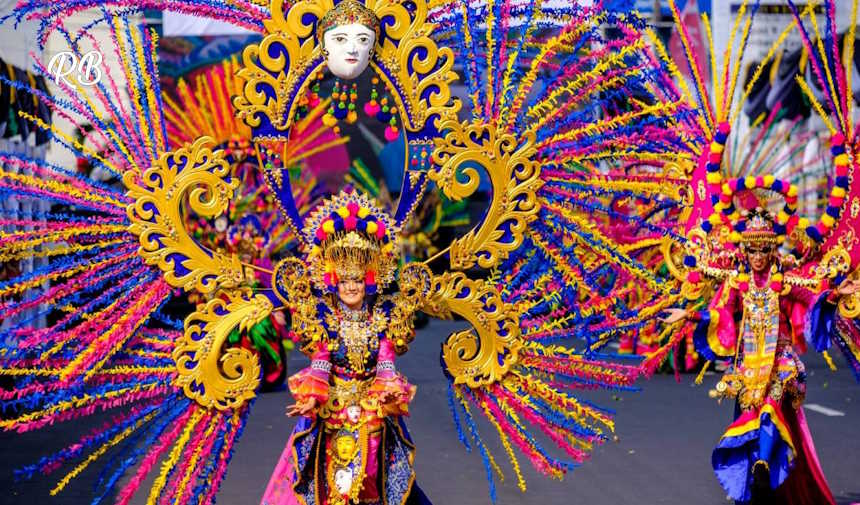
Traditional Balinese dance is a captivating and deeply rooted cultural tradition that offers visitors a unique window into the island’s rich heritage. From the graceful movements of the Legong to the energetic Kecak, these performances showcase the incredible artistry and spirituality that permeate Balinese society.
By seeking out opportunities to witness traditional Balinese dance, you’ll not only be treated to a visually stunning display, but you’ll also gain a deeper understanding of the island’s cultural identity. Whether you attend a performance in a temple setting or at one of Bali’s renowned dance theaters, you’ll be immersed in a world of mesmerizing storytelling and divine inspiration.
Preserving this cultural legacy is of utmost importance, and by supporting Balinese dance tourism, you can play a role in ensuring that these traditions continue to thrive for generations to come. So, embrace the opportunity to immerse yourself in the captivating world of Balinese dance, and let it leave an indelible mark on your heart and mind.