Borobudur Temple Entrance Fee 2024 Tickets, History, Build By Who and When?
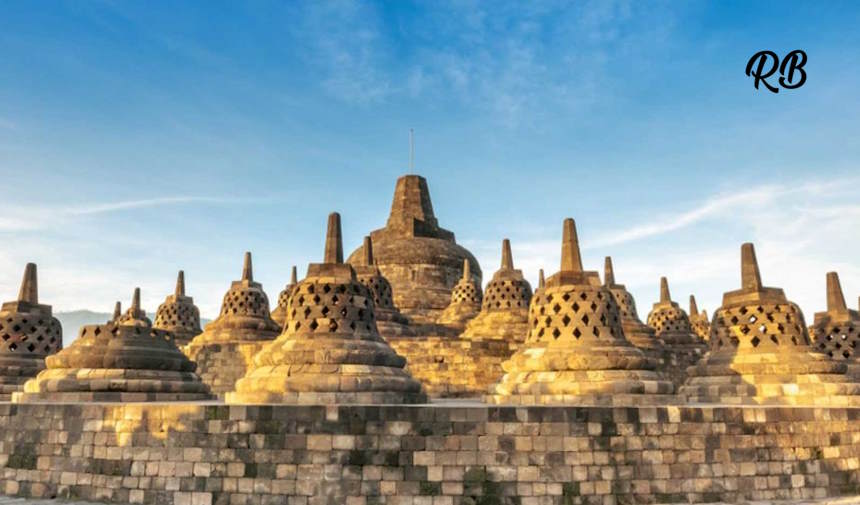
How much is Borobudur Temple entrance fee 2024? If you are planning to visit Borobudur Temple, this guide can help you. Borobudur Temple, one of the most magnificent and awe-inspiring Buddhist monuments in the world, was constructed by the Sailendra dynasty of the Mataram Kingdom in Central Java, Indonesia. This colossal temple, built between the 8th and 9th centuries CE, stands as a testament to the incredible engineering prowess and religious devotion of the ancient Javanese civilization.
The history of Borobudur Temple is shrouded in mystery and intrigue, with scholars and historians debating the exact timeline and motivations behind its construction. However, the general consensus is that the temple was built as a grand pilgrimage site, designed to guide devotees through the Buddhist cosmological universe, represented by its intricate and symbolic architecture. Constructed using millions of volcanic stone blocks, the temple features a unique multi-tiered design, with each level representing a different stage of the Buddhist spiritual journey.
Visitors ascend through the different levels, encountering an array of exquisitely carved relief panels and statues that depict scenes from Buddhist teachings and the daily life of the Mataram Kingdom. The sheer scale and attention to detail of Borobudur Temple have long captivated scholars and tourists alike, making it a true masterpiece of ancient architecture and a testament to the enduring legacy of the Sailendra dynasty and the Buddhist faith in Indonesia.
Borobudur Temple Entrance Fee 2024 Tickets, History, Build By Who and When?
If you are considering a visit to the magnificent Borobudur Temple, there are several important factors to consider. The Borobudur Temple entrance fee is a reasonable cost that grants visitors access to this awe-inspiring UNESCO World Heritage site. Obtaining Borobudur Temple tickets in advance can help ensure a smooth and efficient entry process, allowing you to make the most of your time at this iconic destination. Understanding the rich history and cultural significance of Borobudur Temple will further enrich your experience and appreciation for this architectural and spiritual wonder.
As one of the largest Buddhist temples in the world, Borobudur is a must-see for anyone seeking to immerse themselves in the captivating heritage and traditions of Indonesia. With careful planning and preparation, you can maximize the enjoyment and fulfillment of your Borobudur Temple visit.
Explore the Grandeur of Borobudur: What You Need to Know About Iconic UNESCO World Heritage Site

Nestled in the heart of Java, Indonesia, the Borobudur Temple stands as a testament to the ingenuity and spiritual devotion of ancient civilizations. As the largest Buddhist temple in the world and a UNESCO World Heritage Site, Borobudur is a must-visit destination for anyone seeking to immerse themselves in the grandeur of a bygone era.
Constructed in the 9th century, this colossal monument is a true architectural marvel, featuring over 2,600 relief panels and 72 stupas that collectively tell the story of the Buddha’s life and teachings. The sheer scale and intricate design of Borobudur are simply awe-inspiring, leaving visitors with a profound sense of wonder and reverence.
Beyond its impressive physical attributes, Borobudur also holds immense historical and cultural significance. As a center of Buddhist pilgrimage for centuries, the temple has witnessed the rise and fall of empires, the spread of religious ideas, and the resilience of a people dedicated to preserving their heritage.
Whether you’re a history buff, a spiritual seeker, or simply someone in search of a truly unique travel experience, Borobudur is a destination that will leave an indelible mark on your soul. So, pack your bags and embark on a journey to this iconic UNESCO World Heritage Site, where the past and present converge in a breathtaking display of human ingenuity and the enduring power of faith.
Borobudur Temple Entrance Fee 2024 How much is a ticket to Borobudur?

The Borobudur Temple Entrance Fee for 2024 has been set and it’s important for visitors to be aware of the updated pricing. As one of the most iconic and significant historical sites in Indonesia, the Borobudur Temple attracts millions of tourists every year. You can buy tickets from Borobudur Temple ticket web site.
In 2024, the entrance fee for foreign visitors to the Borobudur Temple will be 400,000 IDR for Temple Ground Ticket and 455,000 IDR for Temple Structure Ticket.
Borobudur Temple Entrance Fee 2024 for childen ise 240.000 IDR for Temple Ground Ticket and 305,000 IDR for Temple Structure Ticket
This fee covers access to the main temple complex as well as the surrounding archaeological park. Visitors are encouraged to purchase their tickets online in advance to avoid long queues at the entrance.
The admission cost for Indonesian citizens has also been adjusted and will be 50,000 IDR in 2024. This differential pricing is a common practice at major tourist attractions to promote accessibility for the local population.
It’s worth noting that the Borobudur Temple entrance fee is subject to change, so travelers are advised to check the official website or inquire with local tourism authorities before planning their visit. Securing tickets ahead of time can also help ensure a seamless and enjoyable experience at this remarkable UNESCO World Heritage Site.
Temple Ground Ticket
Tickets to the courtyard of the temple, does not include access to the temple structure area.
Temple Structure Ticket
Special tickets to go up the temple, including temple ground tickets.
Maximizing Your Borobudur Temple Experience: Tips for Budgeting and Planning Your Visit
When visiting the magnificent Borobudur Temple in Indonesia, proper planning and budgeting can make all the difference in ensuring a truly unforgettable experience. As one of the largest Buddhist temples in the world, Borobudur is a must-see destination for any traveler to the region. By keeping a few key considerations in mind, you can maximize your time and make the most of your visit to this awe-inspiring UNESCO World Heritage Site.
First and foremost, familiarize yourself with the Borobudur Temple opening hours and plan your arrival accordingly. The temple is open daily from 6 AM to 5 PM, with the best times to visit being early morning or late afternoon to avoid the midday heat and crowds. Additionally, research Borobudur Temple tour packages that can provide a comprehensive guided experience, ensuring you don’t miss any of the temple’s hidden gems.
When it comes to budgeting, be mindful of the Borobudur Temple dress code, which requires visitors to wear appropriate attire that covers the shoulders and knees. This can be easily accommodated by packing lightweight, breathable clothing. Additionally, factor in the cost of transportation to and from the temple, as well as any entrance fees or additional activities you may wish to partake in during your visit.
By planning ahead and budgeting wisely, you can ensure that your Borobudur Temple experience is truly unforgettable. Don’t let the logistics of your visit detract from the wonder and beauty of this magnificent ancient wonder.
Unlocking the Mysteries of Borobudur: Insider Secrets for an Unforgettable Visit
Shrouded in mystique and wonder, the ancient Buddhist temple of Borobudur stands as a testament to the ingenuity and spiritual devotion of Java’s past. As one of the world’s largest Buddhist monuments, a visit to Borobudur is a transformative experience that should not be missed. But to truly uncover its secrets, you’ll need an insider’s perspective.
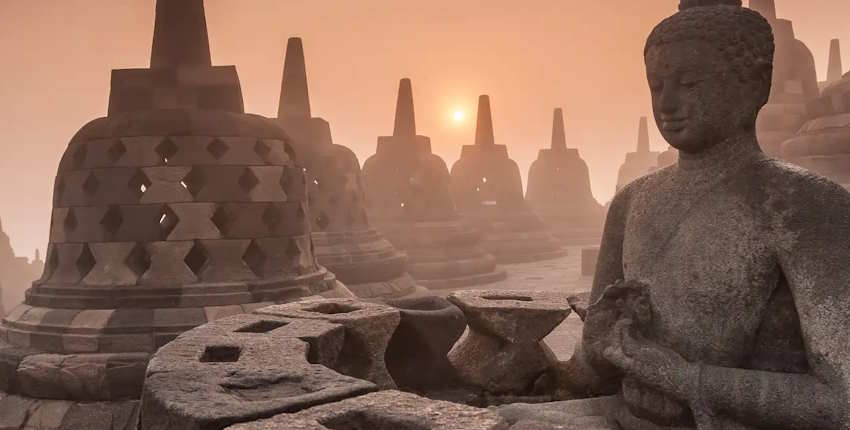
The key to an unforgettable Borobudur adventure lies in timing your visit just right. The temple grounds come alive at sunrise and sunset, when the interplay of light and shadow across the intricate stone carvings is simply breathtaking. Avid photographers will find these “golden hours” offer unparalleled opportunities to capture the temple’s majesty.
Of course, navigating the crowds can be a challenge. That’s why savvy travelers opt for private sunrise or sunset tours, which grant exclusive access and a more intimate exploration of this UNESCO World Heritage site. With an experienced guide by your side, you’ll uncover hidden niches, learn the fascinating history, and develop a deeper appreciation for Borobudur’s spiritual significance.
Don’t settle for a mere glimpse of this architectural wonder. Unlock the full mysteries of Borobudur and embark on a journey that will leave a lasting impression. Trust the insider tips, and get ready for an experience that will stay with you long after you’ve returned home.
What is the fee for Borobudur? Secure Your Borobudur Temple Tickets

Don’t let the opportunity slip away – secure your Borobudur Temple tickets today! As one of the most iconic and breathtaking UNESCO World Heritage sites in Indonesia, the Borobudur Temple is a must-visit destination for any traveler.
With its intricate carvings, towering stupa, and serene atmosphere, the Borobudur Temple is a true wonder of the world. But don’t wait until the last minute to book your tickets – availability can be limited, especially during peak seasons.
By securing your Borobudur Temple tickets in advance, you’ll ensure that you can explore this magnificent site at your own pace, without the stress of sold-out tickets or long queues. Whether you’re a local or an international visitor, the ticket prices are affordable and accessible, making it a truly unforgettable experience.
Don’t miss out on the chance to witness the grandeur of the Borobudur Temple. Book your tickets now and get ready to be amazed by one of the world’s most incredible cultural and architectural marvels.
Where is Borobudur Temple?

Borobudur Temple is an iconic Buddhist monument located in Central Java, Indonesia. This majestic structure, dating back to the 9th century, stands as a testament to the rich cultural heritage of the region.
Nestled amidst lush greenery and rolling hills, Borobudur is the largest Buddhist temple in the world, with over 2,600 relief panels and 72 stupas adorning its impressive structure. Visitors can explore the intricate carvings and sculptures that depict the life of Buddha and the teachings of Buddhism.
The sheer scale and architectural grandeur of Borobudur make it a must-visit destination for anyone interested in history, culture, and spiritual enlightenment. As one of Indonesia’s most iconic landmarks, Borobudur continues to captivate and inspire people from all over the world.
Borobudur Temple History
Towering majestically in the heart of Java, the Borobudur Temple stands as a testament to the rich cultural heritage of Indonesia. This awe-inspiring Buddhist monument, dating back to the 9th century, is not just a stunning architectural marvel, but a window into the nation’s captivating history.
Recognized as the largest Buddhist temple in the world, Borobudur’s historical significance cannot be overstated. Built during the Sailendra dynasty, this colossal structure was once the spiritual and cultural epicenter of the region, drawing in devotees and scholars from across the archipelago. Its very design, with its intricate carvings and symbolic layout, reflects the deep-rooted Buddhist beliefs that shaped the lives of the people during that era.
Abandoned for centuries and nearly lost to the ravages of time, Borobudur’s rediscovery in the early 19th century sparked a renewed appreciation for Indonesia’s past. Through meticulous restoration efforts, this UNESCO World Heritage Site has been painstakingly brought back to its former glory, allowing visitors to immerse themselves in the grandeur of a bygone age.
Today, Borobudur stands as a testament to the enduring spirit of the Indonesian people, a reminder of the nation’s rich cultural tapestry and the enduring power of human ingenuity. As you ascend the temple’s iconic terraces, you cannot help but be awed by the sheer scale and beauty of this magnificent structure, a true masterpiece that continues to captivate and inspire all who behold it.
Who built Borobudur temple? Borobudur Temple Build By Who and When?
The Borobudur Temple, one of the most iconic and awe-inspiring structures in the world, has long captivated the imagination of historians, archaeologists, and travelers alike. The sheer scale and complexity of this Buddhist monument have led many to wonder – who built Borobudur, and when was it constructed?
After years of research and excavation, scholars have pieced together a compelling narrative about the origins of this architectural marvel. Borobudur was built in the 9th century CE, during the reign of the Sailendra dynasty, a powerful Buddhist kingdom that ruled over the island of Java in what is now Indonesia.
The construction of Borobudur was a monumental undertaking, requiring the labor of thousands of skilled artisans and workers. The temple was built using over two million blocks of volcanic stone, each meticulously carved and fitted together to create the temple’s intricate design. The attention to detail and the engineering prowess displayed in the construction of Borobudur are truly remarkable, and stand as a testament to the ingenuity and dedication of the Sailendra people.
Today, Borobudur stands as a UNESCO World Heritage Site, a stunning reminder of the rich cultural heritage of Indonesia and the enduring legacy of the ancient civilizations that once thrived in this region. As we continue to explore and study this remarkable structure, we can only marvel at the skill and vision of those who brought it into being, and the enduring impact it has had on the world.
What is the story behind the Borobudur Temple?
The Borobudur Temple stands as a testament to the ingenuity and cultural richness of Indonesia. This majestic Buddhist monument, nestled in the heart of Java, is a true marvel that has captivated the hearts and minds of visitors from around the world.
Constructed in the 9th century, the Borobudur Temple is a colossal structure that rises in the shape of a Buddhist mandala, with its intricate carvings and stunning architecture reflecting the profound spiritual beliefs of its creators. As you ascend the temple’s nine stacked platforms, each representing a different stage of enlightenment, you can’t help but be awed by the sheer scale and complexity of this architectural masterpiece.
But the story of the Borobudur Temple is not just about its physical grandeur. It is a tale of rediscovery, restoration, and the enduring power of cultural heritage. Abandoned for centuries and nearly lost to the ravages of time and nature, the Borobudur Temple was eventually rediscovered in the early 19th century, sparking a global effort to preserve and restore this iconic landmark.
Today, the Borobudur Temple stands as a testament to the resilience of the Indonesian people and the enduring power of their cultural traditions. It is a place that invites you to step back in time, to immerse yourself in the rich tapestry of history, and to connect with the profound spiritual teachings that have shaped this remarkable site.
What is an interesting fact about Borobudur Temple?
Borobudur Temple, the largest Buddhist temple in the world, is a true marvel of ancient engineering and architectural prowess. One particularly fascinating fact about this iconic structure is the sheer scale of its construction. With over 2,672 relief panels and 72 stupas, Borobudur is a colossal achievement that showcases the ingenuity and dedication of its builders. What’s even more impressive is that this magnificent temple was constructed entirely without the use of mortar, relying solely on the precision interlocking of its stone blocks to maintain its structural integrity.
This engineering feat is a testament to the advanced building techniques employed by the ancient Javanese civilization, making Borobudur a true wonder of the world that continues to captivate and inspire visitors from around the globe.
Why is Borobudur a sacred place?
Borobudur, the world’s largest Buddhist temple, is a true marvel that captivates visitors from around the globe. But its significance extends far beyond its architectural splendor – Borobudur is a sacred place that holds deep spiritual meaning for those who seek to connect with the divine.
At the heart of Borobudur’s sacred allure is its intricate design, which serves as a physical representation of the Buddhist cosmological universe. Each of the temple’s nine stacked platforms symbolizes a different stage of the journey towards enlightenment, guiding devotees through a transformative pilgrimage. As they ascend the structure, they are immersed in a visual tapestry of Buddhist teachings, with over 2,600 relief panels and 72 stupas adorning the walls.
But Borobudur’s sacredness extends beyond its physical form. The temple is believed to be imbued with a profound spiritual energy, a result of centuries of devotion and meditation practiced within its hallowed halls. For Buddhists, a pilgrimage to Borobudur is a transformative experience, allowing them to connect with the teachings of the Buddha and find inner peace and enlightenment.
Even for non-Buddhists, the sheer scale and grandeur of Borobudur can evoke a sense of awe and reverence. The temple’s majestic presence, set against the backdrop of the lush Kedu Plain, creates an atmosphere of serenity and contemplation, inviting all who visit to pause, reflect, and connect with the sacred essence of this extraordinary place.
Which God is the Borobudur Temple?
The Borobudur Temple, a UNESCO World Heritage Site located in Indonesia, is one of the most impressive and enigmatic religious monuments in the world. Contrary to popular belief, the Borobudur Temple is not dedicated to a single god, but rather represents the entire Buddhist cosmological universe.
The temple’s design is a masterful expression of Buddhist teachings, with its intricate carvings and symbolic layout guiding visitors through the path to enlightenment. Each of the temple’s nine stacked platforms, representing the different stages of the Buddhist spiritual journey, is adorned with hundreds of Buddha statues and relief panels depicting scenes from Buddhist scripture.
Rather than honoring a specific deity, the Borobudur Temple is a physical manifestation of the Buddhist belief in the interconnectedness of all things. The temple’s architecture and symbolism encourage visitors to contemplate the nature of existence, the cycle of rebirth, and the ultimate goal of nirvana.
Through its sheer scale, attention to detail, and profound spiritual significance, the Borobudur Temple stands as a testament to the ingenuity and devotion of its creators. Far from being dedicated to a single god, this architectural marvel embodies the essence of Buddhist philosophy and serves as a powerful reminder of the richness and diversity of the world’s religious traditions.
Conclusion: Embark on a Journey of Cultural Enlightenment at Borobudur Temple in 2024
Borobudur Temple, the world’s largest Buddhist temple, stands as a testament to the rich cultural heritage of Indonesia, Yogyakarta. As we look ahead to 2024, there has never been a better time to embark on a journey of cultural enlightenment and explore this awe-inspiring architectural marvel.
With its intricate carvings, serene atmosphere, and deep spiritual significance, Borobudur offers visitors a truly transformative experience. Whether you’re drawn to the temple’s historical significance or seeking a deeper connection with the Buddhist faith, a visit to Borobudur will leave an indelible mark on your soul.
As you ascend the nine stacked platforms, each representing a stage in the journey to enlightenment, you’ll be immersed in a world of ancient wisdom and timeless beauty. The opportunity to witness the sunrise over the temple’s iconic silhouette is a moment that will stay with you long after you’ve returned home.
Don’t miss your chance to be a part of this cultural awakening. Start planning your 2024 visit to Borobudur Temple today, and unlock the secrets of one of the world’s most captivating and spiritually significant destinations.